What makes a weekly special worth ordering: the thinking behind rotating dishes
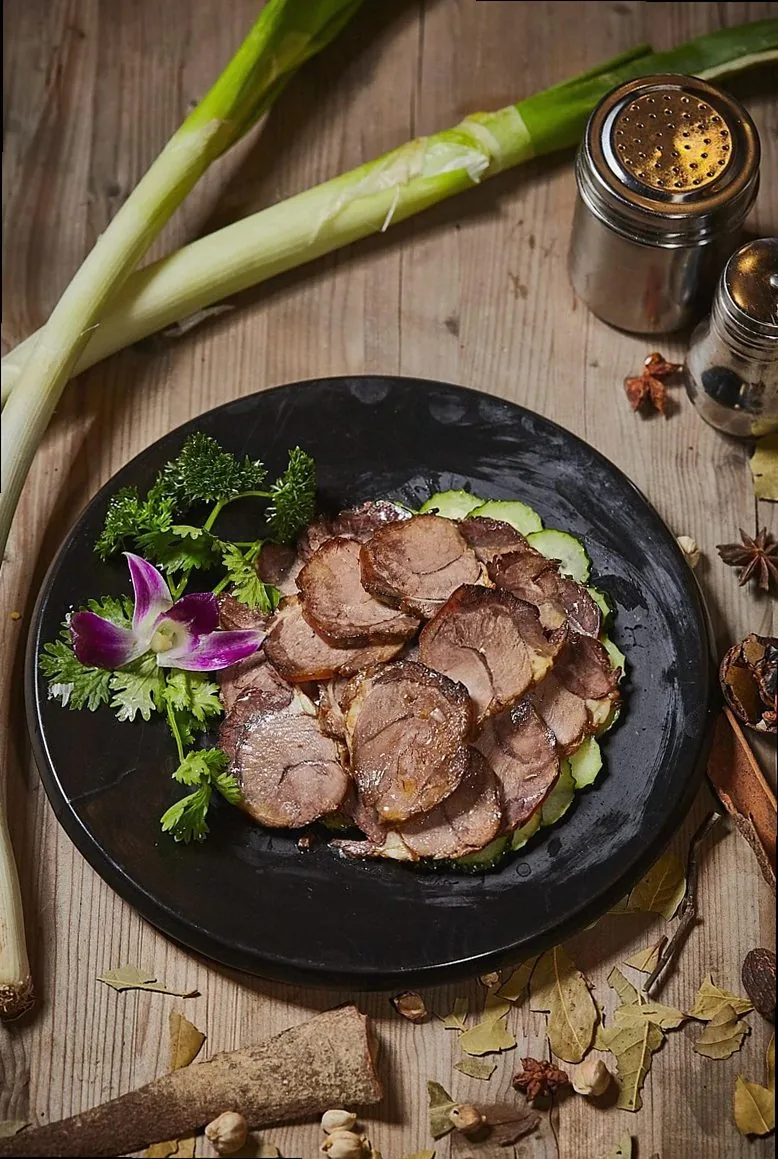
Most people treat a restaurant's weekly special as a gamble — either it sounds exciting or it doesn't, and ordering one is a small act of faith. The mistake most diners make is assuming the special is whatever the kitchen had lying around, a way to shift surplus stock before it turns. That assumption costs them the best thing on the menu. Over six weeks at Takeout Sev, we sat in on the Tuesday sourcing conversations Fiona Dunmore has with her produce suppliers and watched her reject roughly two dishes for every one that makes the board. The reasons for those rejections are more systematic than you might expect, and they say a lot about what makes a weekly special genuinely worth ordering versus one that arrives at your door lukewarm and confused.
The mistake diners make — and what it actually costs
The common assumption is that specials are the restaurant's leftovers dressed up with a chalkboard font. This belief leads people to default to the permanent menu, which is often the safer but less interesting choice. At Takeout Sev, the weekly special has a shorter supply chain than any fixed menu item: produce arrives Wednesday morning, the dish runs Thursday through Saturday, and nothing is held over. That turnaround is the opposite of a clearance sale.
The cost of skipping the special, financially speaking, is modest — a few dollars saved by ordering the same butter chicken again. The cost in terms of eating experience is harder to quantify, but Fiona puts it plainly: the special is the one dish she has genuinely thought about this week, whereas the permanent menu was thought about eighteen months ago.
Tuesday at the market: how availability drives creativity
Fiona does her primary sourcing run at the Flemington Produce Market in Melbourne every Tuesday from around 5:30 a.m. She is not shopping from a pre-written recipe. She is reading the market — volume, condition, price per kilo — and working backwards to a dish. During the six weeks we tracked, she turned down blood oranges twice because the per-kilo price had climbed above a threshold where the dish would need to be priced at a point that felt dishonest for a takeout container. The dish she served instead, a warm carrot and roasted cumin salad with tahini, cost 40% less to produce and sold out by Friday afternoon both times.
This market-first approach means the special is genuinely seasonal in a way that the fixed menu cannot be. It also means Fiona carries no standing order for special ingredients. If the broad beans are good, she buys them. If they are soft or overpriced, she does not, and the dish that existed in her head that morning simply disappears.
The travel test: what survives a 20-minute ride
Melbourne summers regularly push past 35°C, and most of Takeout Sev's orders travel between fifteen and twenty-five minutes by the time they reach a customer's door. This is the constraint that eliminates more potential specials than any other. Fiona keeps a simple rule of thumb: if the dish would embarrass her sitting on a bench outside for twenty minutes, it does not go on the board.
During our tracking period, a cold coconut noodle dish failed this test in early February. The noodles clumped, the dressing separated, and the garnish wilted in the container within twelve minutes of plating — confirmed by a timed trial Fiona ran in the kitchen at 32°C ambient temperature. The dish was good. It was just not a takeout dish, and putting it on the board would have meant sending out something that peaked before it arrived.
The dishes that consistently passed were those with some structural integrity: grain bases, roasted vegetables, proteins that finished cooking in a sauce rather than resting dry. A lamb shoulder with preserved lemon and chickpeas, run for two weeks in January, arrived in better condition than most permanent menu items because the braising liquid actively kept it moist in transit.
The dish was good — it was just not a takeout dish.
The five questions Fiona asks before a dish goes on the board
After the market run and before any cooking begins, Fiona works through a short mental checklist. These are not formal criteria written on a document somewhere; they emerged from watching her talk through dishes with her kitchen hand, Priya, on Wednesday mornings. We reconstructed them by asking Fiona to narrate her reasoning across four consecutive weeks.
- Can I source the hero ingredient at volume without the price moving against me mid-week?
- Does the dish hold at 60–65°C in the container without losing its character?
- Is this genuinely different from everything already on the permanent menu, or am I just rearranging the same flavours?
- Does it photograph in natural light without needing styling? (A dish that looks good in a container is a dish designed correctly.)
- Would I be comfortable eating this myself at the end of a ten-hour shift?
Seasonality as a constraint, not a concept
Restaurants talk about seasonality constantly and deliver on it inconsistently. The gap usually comes from the purchasing side: a head chef might plan a seasonal menu but leave actual buying to a junior, who defaults to the reliable wholesale supplier rather than the market. Fiona does her own buying, which closes that gap entirely.
In practice this means the specials board at Takeout Sev reflects the Melbourne growing calendar with unusual accuracy. Stone fruit appears in November and December. Fennel and blood orange show up through June and July. Zucchini floods in from late January onward, which is why a zucchini and feta fritter dish ran for three consecutive weeks in February — not because Fiona ran out of ideas, but because the zucchini was extraordinary that month and the price made the dish genuinely good value.
What the data from six weeks actually shows
Across the six-week tracking window, Fiona put eleven dishes on the board and rejected or deferred twenty-three others. Of the eleven that ran, nine sold out before the Saturday service ended. The two that did not — a barley and roasted mushroom dish in week three, and a cold sesame chicken in week five — both had structural issues identified after the fact: the barley dish was too filling as a standalone container, and the sesame chicken ran into the travel problem described above.
The average cost-per-serving of a special during this period was $6.20 in produce, compared to $7.80 for the equivalent permanent menu dish. That gap exists because market sourcing at volume and in season is cheaper than wholesale sourcing year-round. It is also partly why the specials tend to be priced at a point that feels like reasonable value rather than a premium for novelty.
Fiona does not track this formally. The figures above come from receipts she keeps in a folder on the kitchen bench, cross-referenced with her ordering notes. She was mildly surprised when we added them up.
The current special — a slow-roasted eggplant with pomegranate molasses and toasted pine nuts — went on the board after Fiona found a particularly good batch of Lebanese eggplants at Flemington on Tuesday morning. It passed the travel test at 31°C ambient and is already two-thirds sold out as of Friday lunch. Autumn in Melbourne tends to produce the most consistent run of specials of the year, mostly because the temperature drops enough that a wider range of dishes survives the journey.